


Cart
0


Bass DNA
🍒 Cherry Audio's Miniverse synth included with Bass DNA CORE.**
✓ 5-Day Money-Back Guarantee details
- Bass DNA CORE
9 lessons, 3.9 hours – See the included lessons. - Bass DNA EXPRESSION Expansion
3 lessons, 1.6 hours – See the included lessons. - Helpful on-screen graphics including text callouts, signal and control flow graphics, oscillator configuration definitions, strengths & weaknesses, and much more.
- Lifetime access
- Hosted on Teachable with both desktop and mobile access – The course can be viewed using desktop browsers or on mobile by using the Teachable mobile app for iPhone and iPad or the Teachable mobile app for Android (Note: The Android version is an early release and still in beta. Offline mode is not available yet).

Includes Cherry Audio's Miniverse soft synth.**
Cherry Audio's Miniverse is a painstaking virtual emulation of the granddaddy of all portable synthesizers, the venerable Model D. Introduced in 1971, no other instrument is more associated with the word "synthesizer" - it's perhaps the best-known and loved analog synthesizer ever made.
**Miniverse is included with the Bass DNA CORE + EXPRESSION and the Bass DNA CORE options only, NOT the Bass DNA EXPRESSION option.
How to redeem: After purchase, you will receive a separate email from Anthony Marinelli Music with a unique purchase code that allows you to redeem and install the Miniverse virtual synthesizer.

Bass DNA Refund Policy
We stand behind the quality of our course and want you to feel confident in your purchase. If for any reason you're not satisfied, you may request a full refund within 5 days of purchase.
Eligibility Requirements
- The request for refund must be within 5 days of purchase.
- The course must be less than 25% completed.
- Refunds apply only to purchases made directly through AnthonyMarinelliMusic.com.
How to Request a Refund
Contact us here and let us know you'd like to start a refund. Please include your order number and the email address used for your purchase.
Refund Method
Approved refunds will be issued to the original form of payment. It may take some time for your bank or credit card company to process and post the refund.
Special Refund Period for Bass DNA Presale Purchases
Bass DNA lessons become available on September 1, 2026, at 10:00 a.m. Pacific Time. If you purchase Bass DNA during the August 4–September 1, 2026 presale period, you will receive a special refund period so that you have an opportunity to access and evaluate the lessons.
Presale customers may request a full refund through September 6, 2026, at 11:59 p.m. Pacific Time, provided they also meet the other above Eligibility Requirements of the Bass DNA Refund Policy.

Start learning with a free lesson.

CORE
Lessons

Lesson 1
Overview
Meet the five oscillator configurations at the heart of Bass DNA and discover how each one contributes clarity, weight, character, size and harmonic complexity to a bass sound.

Lesson 2
Classic Signal Flow
Follow the classic signal path from oscillators through the mixer, filter and VCA, and learn how envelopes and other control signals shape a sound’s pitch, tone, volume and movement.

Lesson 3
SINGLE (Oscillator Config.)
Harness the clarity and pitch focus of a single oscillator, then use waveforms, filters, envelopes and real-time performance to give this foundational bass sound movement, attitude and expression.

Lesson 4
SUB (Oscillator Config.)
Add a sub oscillator for room-shaking low-end power, and learn how waveforms, resonance, envelopes and pitch movement can shape everything from focused weight to dramatic bass drops.

Lesson 5
OVERTONE (Oscillator Config.)
Stack carefully tuned overtones above the fundamental to add brightness, character and harmonic color, creating distinctive bass timbres that can be precisely balanced to fit the track.

Lesson 6
UNISON (Oscillator Config.)
Layer oscillators at the same pitch to create massive bass sounds with natural phasing and inner movement, while learning how oscillator count, tuning and subtle detuning affect size, stability and pitch clarity.

Lesson 7
AUDIO-RATE MODULATION (Oscillator Config.)
Explore FM, amplitude modulation, ring modulation and audio-rate filter modulation to generate rich sidebands, aggressive harmonics and complex bass textures that make analog synths sound almost digital.

Lesson 8
Blending Oscillator Configurations
Blend the five Bass DNA configurations to combine clarity, low-end weight, character, width and harmonic complexity into bass sounds that can perform multiple musical roles at once.

Lesson 9
Blending Configurations in a Track
Learn to hear what the track needs, then balance oscillator configurations, envelopes, filtering, distortion and rhythmic placement to create a bass part that supports the groove and evolves with the music.
EXPRESSION
Lessons

Lesson 10
Keyboard Expression Techniques
Bring bass lines to life through articulation, phrasing, trigger modes, wheels, glissando, portamento, keyboard tracking and aftertouch—including modern expressive keyboards controlling analog synths.

Lesson 11
Expression Beyond the Keyboard
Express yourself beyond the keys with synced gates, LFOs, arpeggiators, sequencers, envelope followers, pedals and hands-on panel moves that lock to the groove and follow the song’s emotional arc.

Lesson 12
Classic Effects for Bass
Explore overdrive, distortion, fuzz, phaser, flanger, chorus, analog and digital delay, and octave effects—then blend them with the unaffected signal to add color, movement, rhythm, width and low-end weight without losing the character of your bass sound.
About Bass DNA.
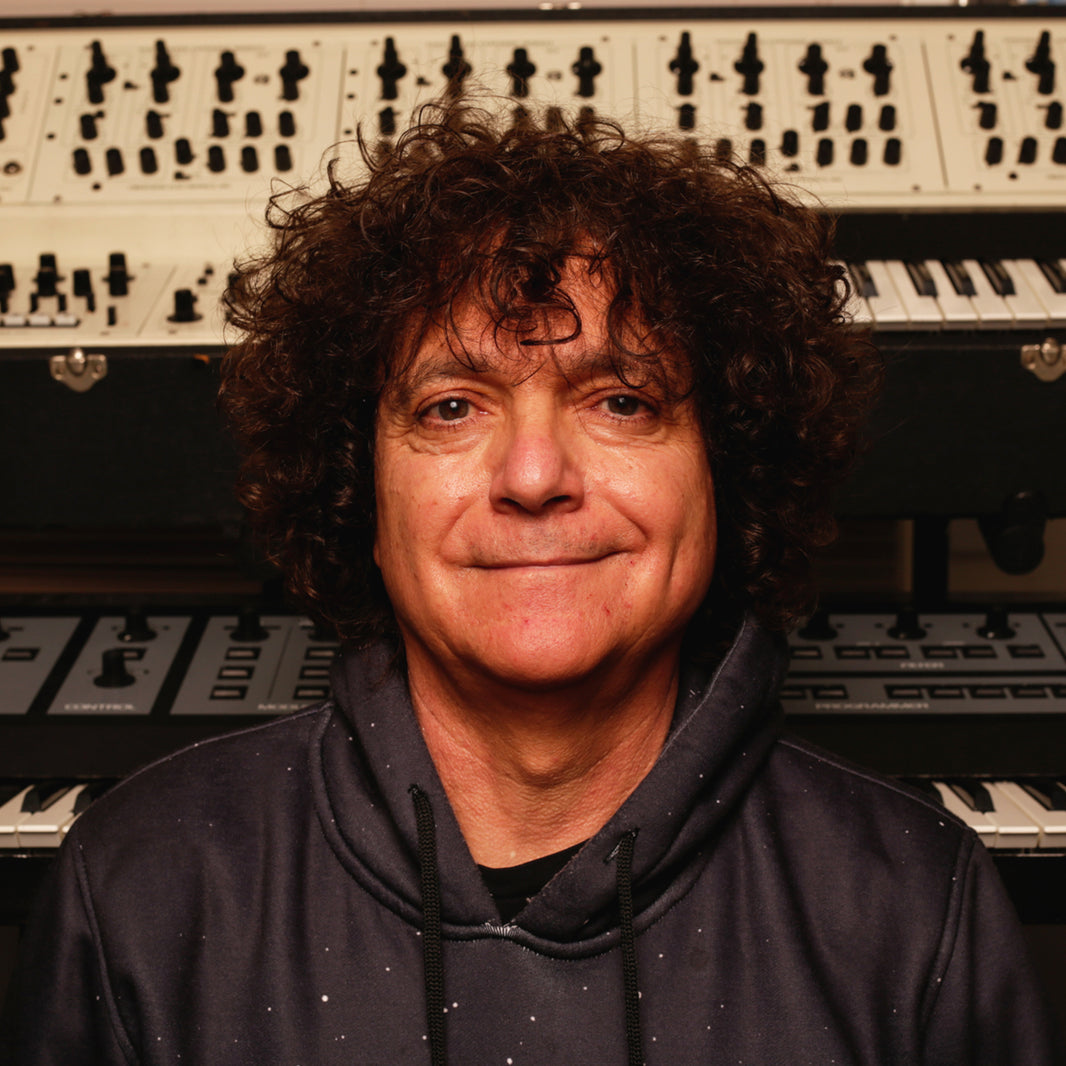
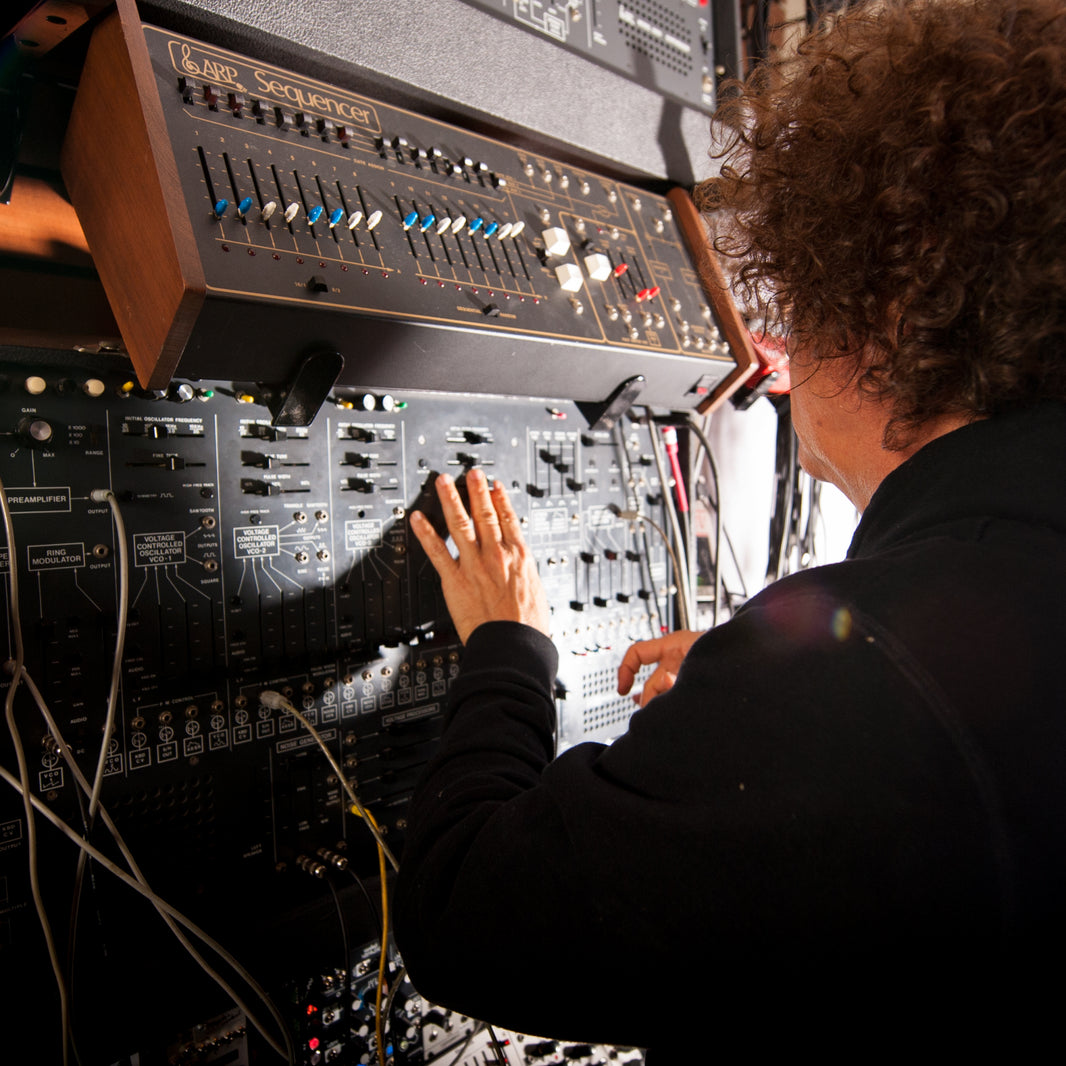
Bass DNA is my course on designing powerful, musical synth bass sounds that fit the specific needs of a song. Drawing on decades of professional sound-design and production experience, I teach my personal and practical method for choosing the right oscillator foundation and developing it into an original bass patch.
At the heart of the course are five essential oscillator configurations. Each configuration has its own strengths, character and musical purpose. You'll learn how to use these configurations as reliable starting points, blend them together and tailor the resulting sound to the track — rather than relying on presets or one-size-fits-all formulas.
I demonstrate how oscillator relationships, tuning, phasing, modulation, envelopes, filters and amplification influence the weight, movement and personality of a bass sound. I also explore how the way a bass part is played — including timing, articulation, pitch bends and keyboard expression — can directly affect your sound-design decisions.
The course goes beyond the keyboard to show how pedals, gates, clocks, arpeggiators, sequencers and hands-on parameter changes can bring a bass patch to life. You'll also learn how to make rhythmic synth parts lock to a track and how to combine multiple forms of expression into a musical performance.
Bass DNA gives musicians and producers a repeatable framework for understanding what makes a synth bass work, selecting the right foundation and building distinctive bass sounds for your own music in any style.
- Anthony
Industry perspectives.
I consider Anthony to be probably the greatest living sound designer synthesist on the planet. You're gonna learn a lot from his course, so listen to everything that he says.
Billy Childs
Jazz, Classical & Opera Composer, Keyboard virtuoso6x Grammy winner
No matter what it sounds like, even if it sounds like a frog, he can get it, because he's Anthony Marinelli.
Greg Phillinganes
Keyboardist, Music DirectorStevie Wonder, Michael Jackson, Madonna, Quincy Jones
Few people can both make music history and teach their method effectively. Anthony does both with rare clarity and impact. He continues to teach and inspire me.
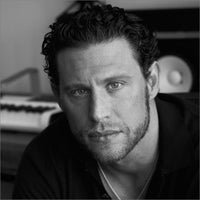
JR Rotem
Producer, Songwriter, Label PresidentRihanna, 50 Cent, Nicki Minaj, Jason Derulo
Anthony’s synth course opened my eyes to the capabilities of synthesis. I’ve read many books, but the way he breaks down the language of synth was actually worth it to me!
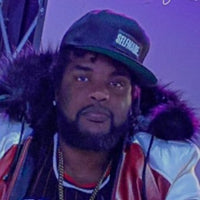
Honorable C.N.O.T.E.
Producer, SongwriterMetro Boomin, Gucci Mane, Travis Scott, A$AP Rocky, Future, Ne-Yo
He knows about stuff that I never even thought of. If you wanna learn something and stand on the edge, work with Anthony, you'll learn a lot!
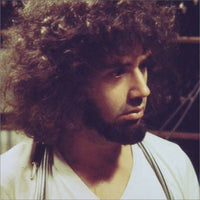
Robert Margouleff
T.O.N.T.O. | Visionary producer & synthesizer pioneerStevie Wonder, Devo, Jeff Beck | Grammy winner
Anthony Marinelli is one of those rare musicians who truly understands the creative potential of synthesizers and how to bring the amazing sounds in your head to real life. You couldn’t ask for a more inspiring teacher.

Tom Oberheim
Legendary synthesizer pioneer | Founder of Oberheim ElectronicsCreator of the first commercially-available poly synth
Anthony embodies the perfect blend of talent, experience, knowledge, ingenuity and passion. When it comes to getting the most inspiration out of your synthesizers, he's the best guide you could ask for.
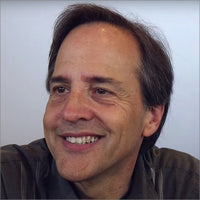
Marcus Ryle
Legendary design engineer & entrepreneur | Line 6 Co-founderOberheim, Alesis, Line 6, Yamaha, Avid, Dynacord, Studer, Panasonic
Watching you work on some of your early movies and the way you mastered the technology was just wonderful. You could apply it right away to the emotional content of the music.
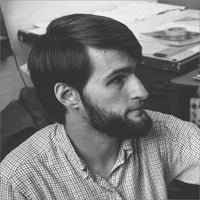
Cameron Jones
Synclavier inventorDigital synthesis & sampling innovator
If you own a synth or want to own one, you should not miss the opportunity to learn from Anthony's incredible mind. It's his rich legacy that is available for you — and to me!
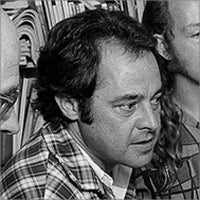
Dr. John Chowning
Stanford Emeritus Professor | CCRMA FounderDiscovered FM Synthesis | Yamaha DX7 developer
Anthony is a true pioneer in the use of synthesizers. If you have an opportunity to learn from Anthony, do it.
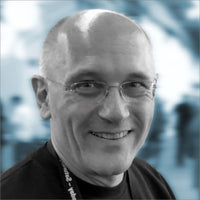
Stephan Schmitt
Native Instruments & Nonlinear Labs FounderRevolutionized modular systems & software synthesis
With his calm and relaxed manner [Anthony] can show you a very simple and understandable way how you can make your own great sounds that fit perfectly into your own songs.

Ruben Tilgner
Elysia co-founder | Innovative audio processingMpressor & Alpha Compressor Creator
Anthony is an encyclopedia of synthesis and sound and truly if you're trying to know what any of these knobs do, he's the guy to teach you because he thinks like a synth, and so can you.
Rob Rosen
Rosen SoundBruno Mars, Lenny Kravitz, Taylor Swift, The Weeknd
What you'll learn.
CORE (Lessons 1–9)
- Use five core oscillator configurations as your starting point instead of scrolling presets – so you know why a sound works and can shape it to fit the track.
- Choose the right configuration for what your track needs – clarity, weight, character or complexity.
- Understand signal flow to locate the parameter you need instead of wandering the panel.
- Build fuller low end using a sub oscillator below the fundamental.
- Add color and personality with oscillators tuned above the fundamental.
- Create big, wide sounds with unison, detune and sync – and know what you trade away.
- Pull digital-sounding harmonic complexity out of an analog synth with audio-rate modulation.
- Reshape waveforms with distortion and wave shaping.
- Blend configurations so each layer has a job in the sound.
- Set levels with headroom so you can balance and mix as you perform.
- Time envelopes and filter movement to the tempo and feel of the track.
- Adjust parameters by ear while the music plays instead of locking in a preset.
EXPRESSION Expansion (Lessons 10–12)
- Bring a bass line to life through how you play it, not just how you program it.
- Use articulation and phrasing – note length, legato and trigger modes – to make lines breathe.
- Control pitch and brightness in real time with the wheels, glide and aftertouch.
- Set keyboard tracking to control how brightness changes across the keyboard.
- Get expression from beyond the keyboard: clocked gates, LFOs, arpeggiators, sequencers, even your voice.
- Free up your hands with expression and volume pedals.
- See why shaping your bass to the song matters as much as the sound itself.
- Color your bass with distortion, modulation and spatial pedals – blended in, not drowning the sound.
Think Like a Synth
Course FAQs
Is this a membership or a one-time purchase?
Bass DNA is a one-time purchase.
Who should take this course?
Bass DNA is designed for anyone wanting to cut through the guesswork and get to great bass sounds quicker.
Is this a physical or digital product?
It is a browser-based course.
What forms of payment do you take?
We accept Visa, Mastercard, American Express, Discover, Diners Club, PayPal, Venmo, Apple Pay, Google Pay and Shop Pay (where available).
How do I access the course after purchase?
Log in to Teachable with the verification you receive in your email. For more info, please see the above ACCESSING THE COURSE tab at the top of the page.
What topics and concepts are covered?
See above CORE and EXPRESSION Lessons sections and the What you'll learn section.
Is this course live and do I have to log in at a specific time?
The course is not live, it is always waiting for you – just log in and learn!
When does this course start and finish?
You can complete each lesson at the pace that best suits your learning.
Do I have lifetime access to the course?
There is no time limit to complete the course and you can review to it at anytime.
Can I take this course from anywhere?
You can stream this course from anywhere as long as you have an internet connection.
What is the refund policy?
Please see above section Bass DNA Refund Policy.
Didn't find your answer?
The Team
BASS DNA
Featuring
Anthony Marinelli
Dante Marinelli
Dante Marinelli
Written by
Anthony Marinelli
Directed by
Dante Marinelli
Produced by
Anthony Marinelli
Dante Marinelli
Beau Bonetti
Dante Marinelli
Beau Bonetti
Edited & Motion Graphics by
Beau Bonetti
Recorded & Mixed by
Ben Rachlis
Camera by
Will David
Associate Produced by
Ben Rachlis
